
12 VCs Funding the Next Wave of Supply Chain Startups in 2026

Co-founder at Peony. Former VC at Backed VC and growth-equity investor at Target Global — I write about investors, fundraising, and deal advisors from the deal-side perspective I spent years in.
Set up my next data room with SeanLast updated: April 2026
From my time evaluating logistics deals at Backed VC and Target Global, I saw how quickly investors separate founders who understand supply chain unit economics from those pitching vague "platform" stories. Logistics is capital-intensive, timing-sensitive, and allergic to hand-wavy decks -- so picking investors who actually know warehouses, freight lanes, and cold chain scale matters. Global supply chain VC funding remained robust through 2025, with deal values for enterprise supply chain management solutions reaching $752 million in Q4 2024 alone and major funds like 8VC's $998M Fund VI explicitly naming logistics as a core thesis. Here is a founder-ready guide to who is active in 2026, how to choose the right partner, and how to pitch them so diligence moves fast.
TL;DR: 12 VCs actively funding warehousing, freight, cold chain, and 3PL startups. 8VC closed a $998M Fund VI with logistics as a core thesis (March 2025). Dynamo Ventures raised $54M for Fund III exclusively targeting supply chain (May 2025). Prologis and GIC launched a $1.6B joint venture for warehouse technology (March 2026). This list covers pure-play logistics funds, corporate strategics, and deep-tech crossover investors.
1) How to pick the right logistics investor (quick framework)
Map your bottleneck to their superpower.
- Warehouse, fulfillment, and network design: corporate funds with footprint (e.g., Prologis Ventures) can open doors to pilot sites and 3PLs. Prologis formed a $1.6B joint venture with GIC for build-to-suit logistics in March 2026 -- that is the kind of real estate access money cannot buy.
- Ocean, ports, cross-border trade: strategics like Maersk Growth understand global flows, carriers, and customs. Their venture-client model means they pilot your product internally alongside investing.
- Industrial hardware and scale-up: specialists like Eclipse Ventures (over $2B AUM as of 2026) underwrite yield, throughput, COGS glidepaths, and capex. They led Redwood Materials' $350M Series E -- real industrial-scale appetite.
- Pre-seed and seed supply chain software: focused seed funds like Dynamo, Schematic, and Ironspring Ventures shorten discovery and first customer wins. Ironspring closed a $100M Fund II in 2024 dedicated to digital industrial innovation.
- Fulfillment automation and robotics: Amazon Industrial Innovation Fund ($1B fund, 24 investments as of early 2026) and deep-tech funds like DCVC move fastest on warehouse hardware-plus-software.
- Cold chain and perishables: Lineage Ventures brings the world's largest cold-chain operator footprint and has partnered with 8VC to accelerate cold chain innovation.
Validate 2025-2026 activity. Look for fresh fund closes, recent leads, or portfolio adds. If they have not led a round in the past 12 months, deprioritize.
Bring proof early. Even at seed, show deployment plan, cost analysis (current vs. target), yield targets, pilot LOIs from warehouses or 3PLs, and -- if relevant -- compliance certifications. This turns "interesting" into "schedule partner calls."
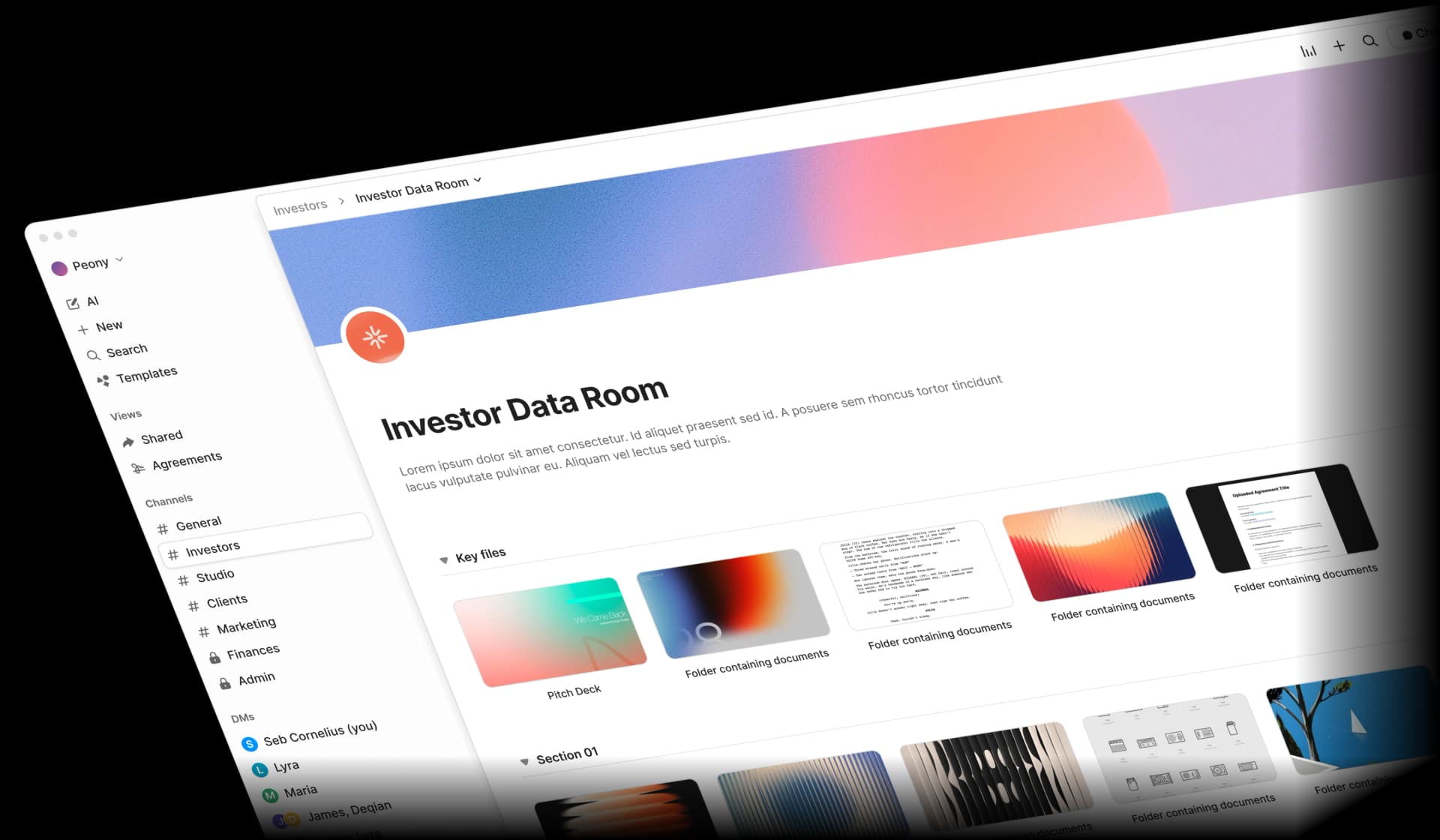
Organize your materials in a secure data room to demonstrate professionalism and make it easy for investors to review your pitch deck and technical documentation.
How Peony Helps Logistics Startups Raise Capital
Peony provides secure data rooms for logistics startups to organize technical documentation, track investor engagement, and demonstrate security posture with password protection and link expiry.
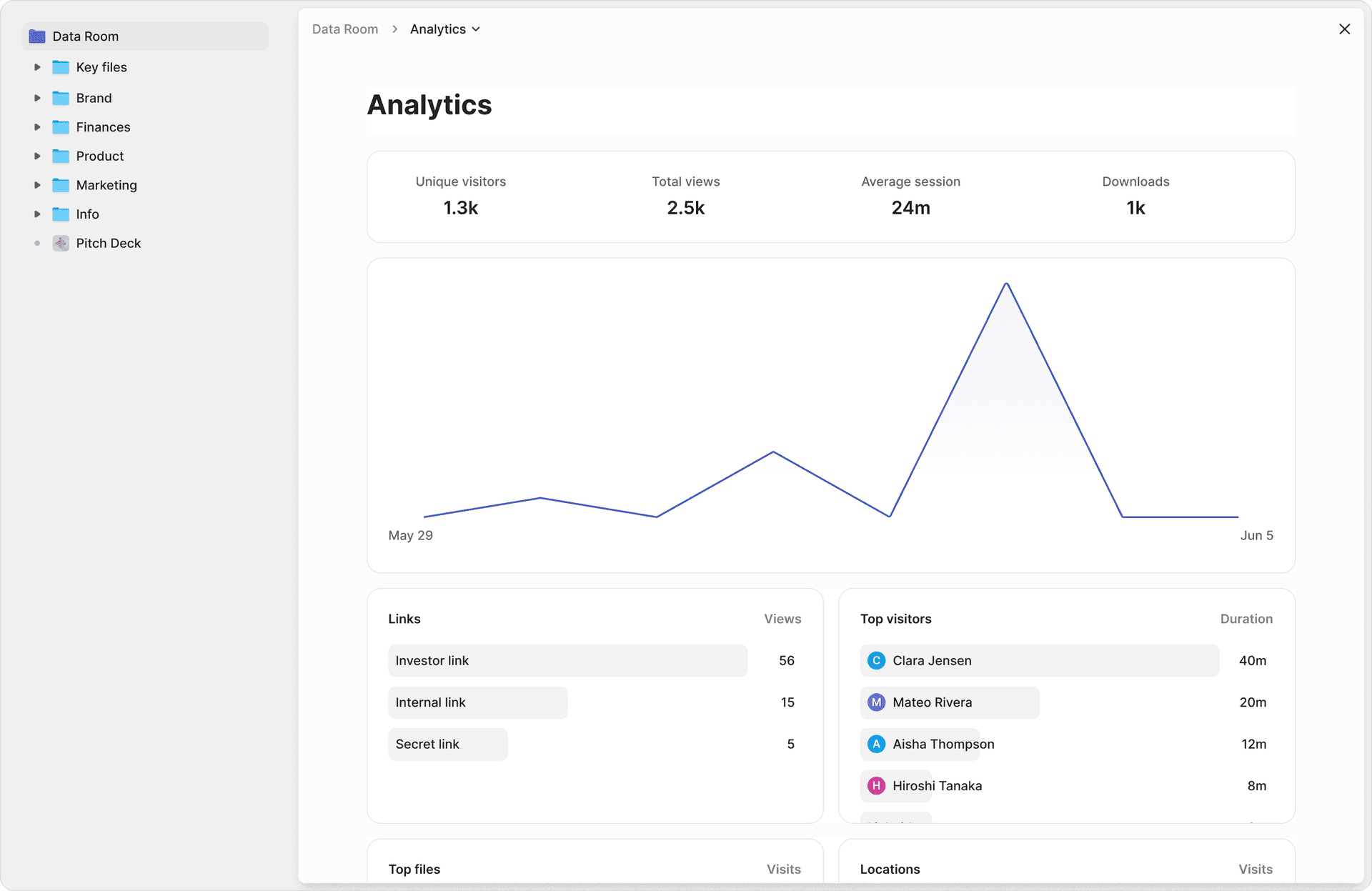
Upload your deployment plans, cost models, and pilot LOIs into a branded data room. AI auto-indexing organizes everything into a professional folder structure in under 3 minutes. Page-level analytics show which investors spent time on your warehouse throughput data versus skimming the executive summary -- so you can prioritize follow-ups with genuinely engaged partners.
Try Peony for your logistics fundraising -- purpose-built for startups raising capital.
2) Top 12 Logistics and Supply Chain Investors in 2026
(Active now; each profile covers what they invest in, how they help, recent signals, and how to approach.)
1) Eclipse Ventures -- industrial evolution at scale
What they back: Hardware-plus-software across supply chain, manufacturing, energy, and defense. Over $2B in AUM (as of 2026).
How they help: Factory math (yield, throughput, COGS), OEM and strategic intros, comfort with capex-heavy builds. Portfolio companies have raised over $900M collectively.
2025-2026 signal: Led Redwood Materials' $350M Series E with NVentures (NVIDIA). Invested in Wayve's Series D (Feb 2026). 96 portfolio companies and 13 new investments in the past 12 months.
How to approach: Open with production ramp (units per quarter), supplier readiness (primary and secondary), and the path to unit-cost parity.
2) Prologis Ventures -- supply chain network and pilot sites
What they back: Tech that modernizes warehousing, fulfillment, and inventory management.
How they help: Access to the largest logistics REIT footprint globally -- pilot venues, 3PL customers, and ops mentors. Portfolio includes Flexe, Gideon (AI-powered trailer loading and unloading), and fleet electrification companies.
2025-2026 signal: Formed a $1.6B joint venture with GIC for U.S. build-to-suit logistics (March 2026). Launched PLIVE, a EUR 1B pan-European logistics venture with La Caisse. Started $3.1B in development projects in 2025.
How to approach: Show how your product reduces space, labor, or inventory volatility inside a distribution center network. Name a first pilot site and success criteria.
3) Maersk Growth -- ocean, ports, and end-to-end supply chain
What they back: Trade, logistics, and supply-chain startups: visibility, robotics, sustainability, and decarbonization.
How they help: Global ocean and ports network, venture-client pilots (non-equity proof-of-concepts alongside investment), customs and compliance expertise. 44 portfolio companies, 4 unicorns, 7 acquisitions.
2025-2026 signal: Investment focus shifting toward decarbonization and low-carbon marine fuels to align with net-zero goals. Initial checks of $0.5M to $5M with a sweet spot around $1M to $2M.
How to approach: Translate your wedge into port, terminal, or shipper value. Bring one live trade lane and one expansion lane. If you touch decarbonization, lead with that.
4) Amazon Industrial Innovation Fund -- fulfillment and robotics
What they back: Warehouse automation, worker safety, materials handling, and fulfillment intelligence. $1B fund with 24 investments as of early 2026.
How they help: Deep robotics and fulfillment expertise, potential pilot channels inside Amazon's network, and access to the Operations Innovation Lab.
2025-2026 signal: Backed Dyna Robotics' $120M Series A (Sept 2025) for robotic foundation models. Also invested in Archetype AI (Nov 2025). 5 new investments in 2025, 2 in early 2026.
How to approach: Lead with throughput improvement versus baseline labor. Show safety metrics, integration plan with WMS/WES, and per-facility ROI.
5) Dynamo Ventures -- supply chain and mobility (pre-seed and seed)
What they back: "How we make, move, and monetize the world's goods" -- SaaS, fintech for freight, and industrial tooling.
How they help: Hands-on at formation, fast customer discovery, strong operator LPs. Pre-seed checks of $500K to $1.25M, seed checks of $1M to $2.5M, targeting 12-15% ownership before Series A.
2025-2026 signal: Closed a $54M Fund III with top-decile returns and secondary liquidity (May 2025). Portfolio includes Stord, Gatik, Sennder, and Leaf Logistics.
How to approach: Show a first beachhead (mode, lane, or vertical), early payback math, and a repeatable acquisition loop.
6) Schematic Ventures -- seed specialist for supply chain and manufacturing
What they back: Early-stage supply chain, manufacturing, and infrastructure software.
How they help: Founder-friendly seed leads, sharp point of view on industrial buyers and procurement cycles.
2025-2026 signal: Continues as a focused industrial and supply chain seed firm. Portfolio and mandate unchanged -- consistency matters when market tourists leave.
How to approach: Come with a crisp ICP, 3 design partners, and a path from services-assisted to software margins.
7) Koch Disruptive Technologies (KDT) -- industrial scale and logistics
What they back: Logistics AI, industrial automation, and supply chain optimization. Leverages Koch's operational footprint. Over $4B deployed across 70-plus venture and growth-stage companies (as of 2025).
How they help: Access to KBX Logistics (Koch's transport arm), supplier networks, and manufacturing expertise. Willingness to lead large growth rounds.
2025 signals: Led Optimal Dynamics' $40M Series C for fleet optimization (the "decision layer of logistics") after KBX partnered with the company operationally. Led Outrider's Series D for autonomous yard operations.
How to approach: Show how your system slots into yards, terminals, warehouses, or freight networks with measurable ROI inside 6 to 12 months.
8) DCVC -- deep tech meets real-world logistics and manufacturing
What they back: Frontier tech that moves the needle in manufacturing, energy, compute, and defense -- often adjacent to logistics and warehousing.
How they help: Heavy technical diligence, U.S. industrial and supply chain lens, patience for hard problems. DCVC V closed at $725M, roughly double their prior vintage.
2025-2026 signal: Published the Deep Tech Opportunities Report 2025 identifying warehouse automation as a key opportunity. Portfolio company Slip Robotics was targeting 450 bot deployments by end of 2025, signaling accelerating warehouse automation adoption. Agility Robotics reportedly reached a 100,000-tote milestone at a GXO Logistics facility.
How to approach: Lead with quantified step-change (cost or performance) plus a staged first-deployment-to-production plan.
9) 8VC -- logistics as a core thesis at scale
What they back: Supply chain visibility, freight optimization, warehouse tech, and logistics infrastructure. 8VC Fund VI closed at $998M (March 2025) with logistics explicitly named as a core investment thesis.
How they help: Full lifecycle from seed through growth. The 8VC Build program creates and launches supply chain companies from scratch. Portfolio includes project44 (supply chain visibility), Platform Science, and Joby Aviation.
2025-2026 signal: Enterprise supply chain deal values hit $752M in Q4 2024. 8VC plans to launch multiple new logistics companies through Build in 2026. Partnered with Lineage Ventures to co-invest in cold chain innovation.
How to approach: Show how your product improves visibility, reliability, or efficiency across supply chain nodes. 8VC values companies that can become category-defining platforms.
10) Lineage Ventures -- cold chain innovation (food and pharma)
What they back: Tech for temperature-controlled warehousing, logistics, and supply chain: energy management, automation, IoT, and AI-driven refrigeration.
How they help: Global cold-chain footprint (Lineage Inc.) plus a venture team that pilots innovations across facilities. Over 25 portfolio companies across regions. Lineage is now public, adding scale that helps pilot programs.
2025-2026 signal: Latest investment in Parsyl's Series C (Jan 2025) for data-powered perishable supply chain insurance. Partnered with 8VC to accelerate cold chain innovation. Portfolio includes Rebound (freeze point suppression), SnoFox Sciences (cold-chain energy analytics), and Parsyl.
How to approach: If you touch perishables or pharma cold chain, lead with temperature compliance, spoilage reduction math, and energy efficiency. Propose a two-site pilot.
11) Ironspring Ventures -- seed and Series A for industrial supply chain
What they back: Early-stage digital industrial startups across transport, logistics, manufacturing, and construction. Typical checks of $1M to $5M-plus at seed and Series A.
How they help: Deep sector knowledge in route optimization, trailer telematics, cross-border logistics (especially U.S.-Mexico corridor), final-mile delivery, and freight procurement. $100M Fund II closed in June 2024, actively deploying with record activity in 2025.
2025-2026 signal: 7 investments in 2025, including GoodShip ($25M freight optimization) and Track3D ($10M Series A). Portfolio includes Plus One Robotics (vision for logistics), OneRail (final-mile delivery OS), Cargado (U.S.-Mexico cross-border), and FleetPulse (trailer telematics).
How to approach: Show a narrow ICP within industrial supply chain, demonstrate early customer traction, and articulate how you move from services-assisted to pure software margins.
12) GLP Capital Partners -- warehousing infrastructure meets venture
What they back: Growth-stage companies in modern logistics, supply chain digitization, warehouse automation, and real estate technology. Approximately $128B in total AUM across logistics, digital infrastructure, and renewable energy (as of 2025).
How they help: One of the largest logistics asset managers globally, operating across Brazil, China, Europe, India, Japan, the U.S., and Vietnam. Their Hidden Hill Modern Logistics PE Fund ($1.6B, established 2018) invests in robotics, automation, and big-data solutions for warehouse efficiency. Monoful Venture Partners I targets growth-stage logistics startups in Japan.
2025-2026 signal: Continues active deployment into logistics technology and supply chain digitization through Hidden Hill and Monoful vehicles. Focused on companies that improve efficiency within the physical warehouse and logistics infrastructure they own and manage across seven countries.
How to approach: If your technology improves warehouse throughput, energy efficiency, or occupancy optimization, GLP is a natural fit. Show how your solution integrates into existing logistics real estate operations and delivers measurable ROI per square foot.
3) Five quick tips for pitching logistics investors in 2026
-
Lead with the cost and throughput curve. Put today's unit costs and cycle time next to post-raise targets and name the engineering that unlocks them (yield improvements, automation, process redesign). Eclipse, DCVC, and 8VC-type partners expect this rigor.
-
Pilot like a product. Name the site host, success criteria (throughput, pick accuracy, OEE, spoilage rate), and the step from first deployment to production scale. Amazon IIF, Prologis, and Lineage reward repeatable pilots with expansion.
-
Integrations beat inspiration. Show WMS, TMS, or WES connectors, safety certification path, and change-management plan. It de-risks deployment for Prologis, Maersk, and GLP-type partners who need your tech to work inside existing operations.
-
Prove ROI on one facility or lane. One before-and-after slide beats ten hypotheticals: e.g., "Dock-to-stock time down 27%, trailer turns up 18%, spoilage down 40%."
-
Bring supply chain realism. Primary and secondary suppliers, QA plan, and logistics for spares. Corporate strategics (KDT, Amazon IIF, Lineage, GLP) move faster when this is crisp.
Use your startup data room to organize these materials and track investor engagement to see which investors are most interested in your approach.
Recent Logistics Deals Worth Watching (2025-2026)
The supply chain sector saw significant VC activity in the past 12 months, confirming that logistics remains a high-conviction thesis for institutional capital:
- Kargo.ai raised $42M Series B (Dec 2025) to scale AI-powered warehouse loading dock automation, led by Avenir. Revenue tripled from 2024 to 2025 and the company expanded from 3 to 45-plus enterprise customers. (BusinessWire)
- Dyna Robotics closed $120M Series A (Sept 2025) with Amazon IIF participation, developing robotic foundation models for warehouse operations.
- 8VC closed $998M Fund VI (March 2025) with logistics as an explicitly named core thesis, planning to launch new supply chain companies through its Build program.
- Optimal Dynamics raised $40M Series C led by KDT (May 2025) to build the "decision layer of logistics" for trucking and freight optimization. (Yahoo Finance)
- Prologis and GIC formed a $1.6B joint venture (March 2026) for build-to-suit logistics facilities in major U.S. markets.
These deals signal that investors are writing large checks into companies that improve warehouse throughput, freight optimization, and supply chain visibility -- exactly the kind of infrastructure that scales with e-commerce growth and supply chain complexity.
Final Thoughts
Logistics fundraising in 2026 requires precision, preparation, and professional presentation. The 12 investors listed above are actively deploying capital into warehousing, fulfillment, cold chain, freight tech, and supply chain infrastructure -- but they expect founders to come prepared with clear deployment plans, realistic cost projections, and evidence of pilot traction.
Supply chain investors evaluate not just your technology but your ability to execute on operations, manage supplier relationships, and scale deployments across facilities. Organize your startup data room, track investor engagement, and demonstrate operational maturity from day one.
Get started with Peony for your logistics fundraising -- secure data rooms built for startups raising capital.
FAQ
I am a seed-stage logistics SaaS founder raising $3M — which VCs specialize in supply chain and logistics at early stage?
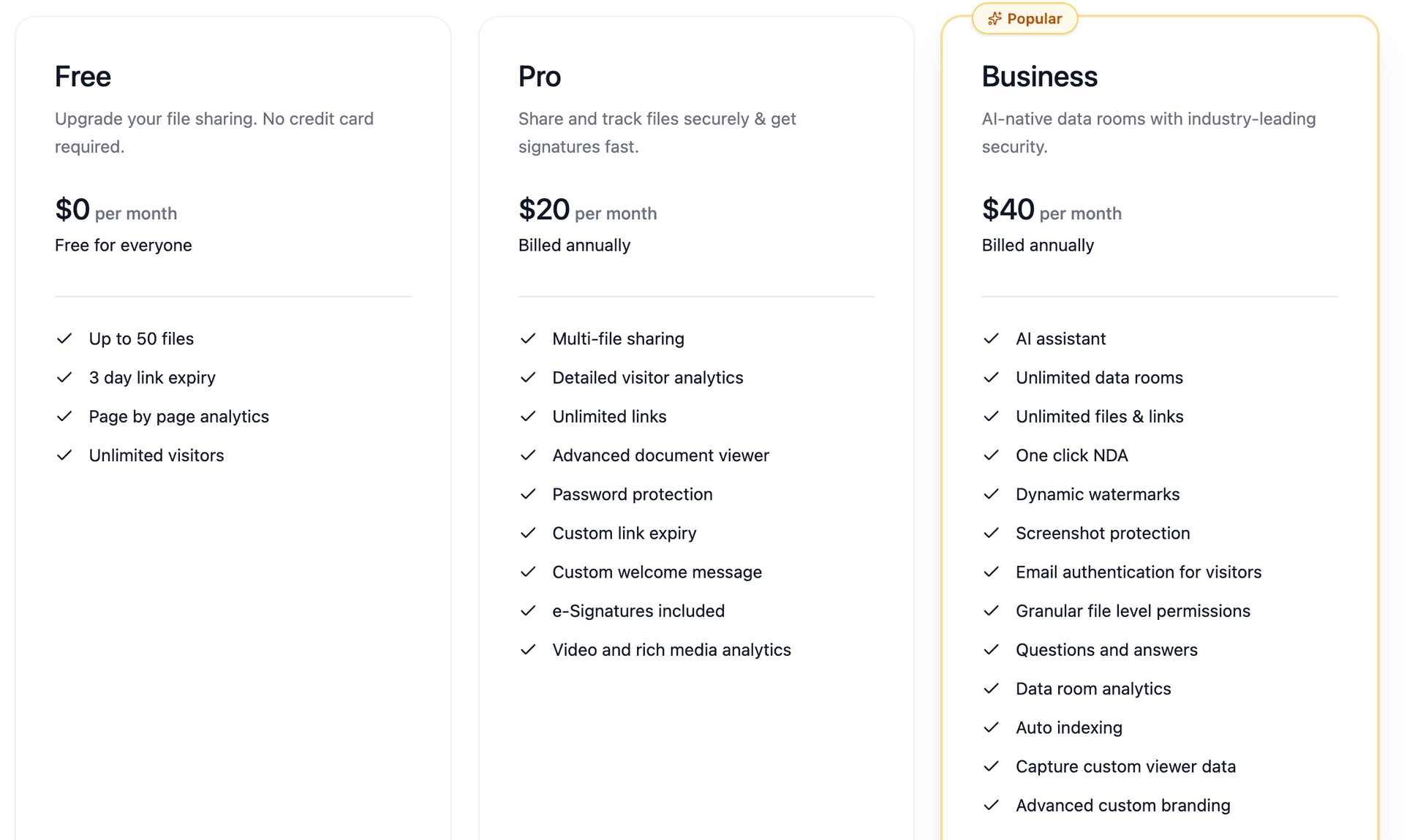
For a $3M seed round in logistics SaaS, your top matches are Dynamo Ventures, which closed a $54M Fund III focused on supply chain and mobility software, and Schematic Ventures, which backs early-stage supply chain software companies. Ironspring Ventures also writes $1M to $5M seed checks specifically into industrial supply chain startups and closed a $100M Fund II in 2024. All three are pure-play logistics seed specialists who can underwrite your domain-specific metrics without external diligence. If your product touches warehouse operations or network design, Prologis Ventures brings real estate footprint and 3PL introductions alongside capital. Amazon Industrial Innovation Fund also writes early checks into fulfillment automation and robotics startups. At seed, these specialists shorten the path to first customer wins because their portfolio companies and LP networks are your potential buyers. Peony Business at $40 per admin per month gives you page-level analytics showing which investors actually read your warehouse deployment plan and cost analysis versus skimming the executive summary, so you can prioritize follow-ups with genuinely engaged partners — Google Drive cannot track per-investor engagement at the page level.
What check sizes do logistics and supply chain VCs typically write at Series A and growth stages?
Logistics-focused VCs write check sizes that vary significantly by stage and fund type. At seed, Dynamo Ventures and Schematic Ventures typically write $500K to $3M initial checks, and Ironspring Ventures writes $1M to $5M. Eclipse Ventures invests $5M to $25M at Series A through growth for hardware-plus-software companies across supply chain, manufacturing, and energy, with over $2B in AUM. 8VC closed a $998M Fund VI with logistics as a core thesis and backs companies from seed through growth. Corporate strategics like Maersk Growth and Prologis Ventures write $2M to $15M checks and bring operational access. Koch Disruptive Technologies led Optimal Dynamics' $40M Series C in logistics optimization, showing willingness to write larger growth checks from their $4B-plus deployed portfolio. Lineage Ventures invests at the intersection of cold chain, food logistics, and automation. Peony Business at $40 per admin per month lets you organize supplier quotes, cost analysis, and pilot LOIs in a branded data room and track which investors spend time on your cost projections versus your team slide — DocSend caps you at basic link tracking without page-level dwell time.
I am building a cross-border logistics platform — how do I approach investors who understand ocean freight and global trade?
If you are building cross-border, prioritize Maersk Growth, which understands global flows, carriers, and customs from the inside, and Dynamo Ventures, which has backed supply chain software companies with international operations. Eclipse Ventures also invests in industrial-scale supply chain companies with global manufacturing and distribution components. When approaching these investors, lead with proof of regulatory navigation, carrier integration depth, and trade lane economics rather than just technology. Show customs clearance automation metrics, carrier API integration coverage, and specific trade lane unit economics. Cross-border investors expect you to demonstrate knowledge of incoterms, bonded warehouse dynamics, and compliance across jurisdictions. Peony Business at $40 per admin per month includes NDA-gated links so your carrier rate data and trade lane economics are protected before any investor views them, and custom branding ensures your data room reflects your company identity across regions — Dropbox has no NDA gating and shares generic-looking links with no branding.
We are a warehouse automation startup preparing for Series B diligence — what do supply chain investors expect in our data room?
Warehouse automation investors at Series B expect a data room organized around deployment readiness and commercial traction. Include your design-for-manufacturing plan with engineering validation to production timeline, cost analysis showing current versus next-generation unit costs, yield targets and reliability data from pilot deployments, pilot LOIs from 3PL operators or warehouse customers, a supply chain risk assessment for critical components, lifecycle reliability projections, cohort-based deployment economics showing per-site ROI, and your certification and safety compliance documentation. Eclipse Ventures, Amazon Industrial Innovation Fund, and 8VC all evaluate hardware-plus-software companies and expect manufacturing-grade diligence. Prepare these materials 3 months before fundraising. Peony Business at $40 per admin per month uses AI auto-indexing to organize these technical documents into a professional folder structure in under 3 minutes and provides page-level analytics showing exactly which sections each investor reviewed — Google Drive has no document classification and no engagement tracking for investor diligence.
I am sharing our logistics startup data room with 12 VCs and 3 corporate strategics — how do I keep proprietary supply chain data secure?
When sharing with 12 VCs and 3 corporate strategics simultaneously, you need per-investor controls because corporate logistics investors like Maersk Growth, Prologis Ventures, and Lineage Ventures may compete with or supply your target customers. Create personalized sharing links for each investor so you can track engagement individually and revoke access selectively. Gate sensitive materials like carrier rate sheets, supplier contracts, and customer-specific deployment data behind staged access, sharing high-level materials first and opening detailed data only to investors who advance past initial meetings. Enable dynamic watermarks with viewer identity on all documents so any leaked carrier data or cost projections trace back to the specific recipient. Peony Business at $40 per admin per month includes personalized links with per-investor tracking, dynamic watermarking, screenshot protection that blocks and logs capture attempts, and staged folder permissions — Google Drive and Dropbox cannot watermark documents, track screenshots, or provide staged access controls for different investor groups.
I am raising a pre-seed round for a fulfillment tech startup — how long does fundraising typically take with logistics VCs?
Pre-seed fundraising for fulfillment technology startups typically takes 8 to 14 weeks from first meetings to close. Specialist logistics seed funds like Dynamo Ventures, Schematic Ventures, and Ironspring Ventures can move faster at 6 to 10 weeks when thesis alignment is strong, because they underwrite logistics-specific metrics like warehouse throughput, pick accuracy, and per-facility unit economics without needing external domain experts. The timeline extends when including corporate strategics like Amazon Industrial Innovation Fund or Prologis Ventures because their investment committees involve operational review. The biggest timeline compression comes from having your data room ready before outreach with a clear deployment plan, cost projections, pilot LOIs, and facility-level economics. Peony Business at $40 per admin per month lets you set up a complete data room in under 5 minutes with AI auto-indexing, and engagement analytics show which VCs are moving through your materials fastest so you can sequence partner meetings with the most active firms — DocSend does not provide this level of per-investor progression detail.
My logistics startup spans warehouse automation and freight software — which sub-sector specialist investors should I approach?
For companies spanning warehouse automation and freight software, map your pitch to the investor whose portfolio matches your primary revenue driver. Warehouse and fulfillment automation specialists include Amazon Industrial Innovation Fund, Prologis Ventures with real estate and 3PL access, and Lineage Ventures focused on cold chain and food logistics. Freight tech and route optimization investors include Dynamo Ventures, Ironspring Ventures, and Schematic Ventures. Eclipse Ventures bridges both with investments in industrial-scale hardware-plus-software companies across the full supply chain. 8VC closed a $998M Fund VI with logistics as a core thesis and backs companies like project44 for supply chain visibility. If your product is warehouse hardware with a freight software layer, lead with the automation investors and bring freight traction as proof of distribution reach. Koch Disruptive Technologies also backs logistics optimization platforms like Optimal Dynamics with $40M-plus checks. Peony Business at $40 per admin per month lets you create separate branded data rooms for warehouse automation investors and freight software investors so each audience sees the narrative most relevant to them — Dropbox has no room-level branding or audience segmentation capability.
I am a logistics founder evaluating data room options for my Series A fundraise — what should I use?
For a logistics Series A fundraise, you need a data room that handles technical deployment documents, sensitive supply chain data, and investor engagement tracking. Your data room should provide page-level analytics showing which investors reviewed your warehouse deployment plan and cost analysis, branded presentation that signals operational maturity, AI-powered document organization for technical specifications, and secure sharing with per-investor access controls. Logistics investors like Eclipse Ventures, Dynamo, and 8VC evaluate operational discipline alongside technology, so your data room itself is a signal of execution capability. Generic file sharing tools like Google Drive and Dropbox lack engagement tracking, have no document classification, and cannot watermark sensitive supplier data. Enterprise VDR providers like Datasite cost $15,000 or more per deal and are designed for M&A rather than startup fundraising. Peony Business at $40 per admin per month is purpose-built for startup fundraising with AI auto-indexing that organizes your data room in under 3 minutes, page-level analytics, dynamic watermarks with viewer identity, and screenshot protection — all demonstrating the operational rigor logistics investors expect.
Related Resources
You might also like
Apr 22, 2026
15 Sports Investors Actively Deploying in 2026
Apr 21, 2026
15 Active Australian Investors in 2026 (Check Sizes + Intro Paths)
Apr 20, 2026
13 Active Canada Investors in 2026 (Check Sizes + Sector Fit + Intro Paths)